
Digital forensic investigations often hit a wall. You have a computer. You have a suspect. But the crucial evidence has vanished. Chat logs disappear.
Messages remain unsent. Files stay encrypted. Traditional hard drive analysis sometimes fails to find anything useful.
This is where Keyboard Tracer becomes invaluable. It offers investigators a unique and powerful way to find the digital truth.

The Core Problem: Where Does the Evidence Go?
When you turn the machine off, that evidence vanishes for good. A hard drive analysis on such a system might reveal almost nothing.
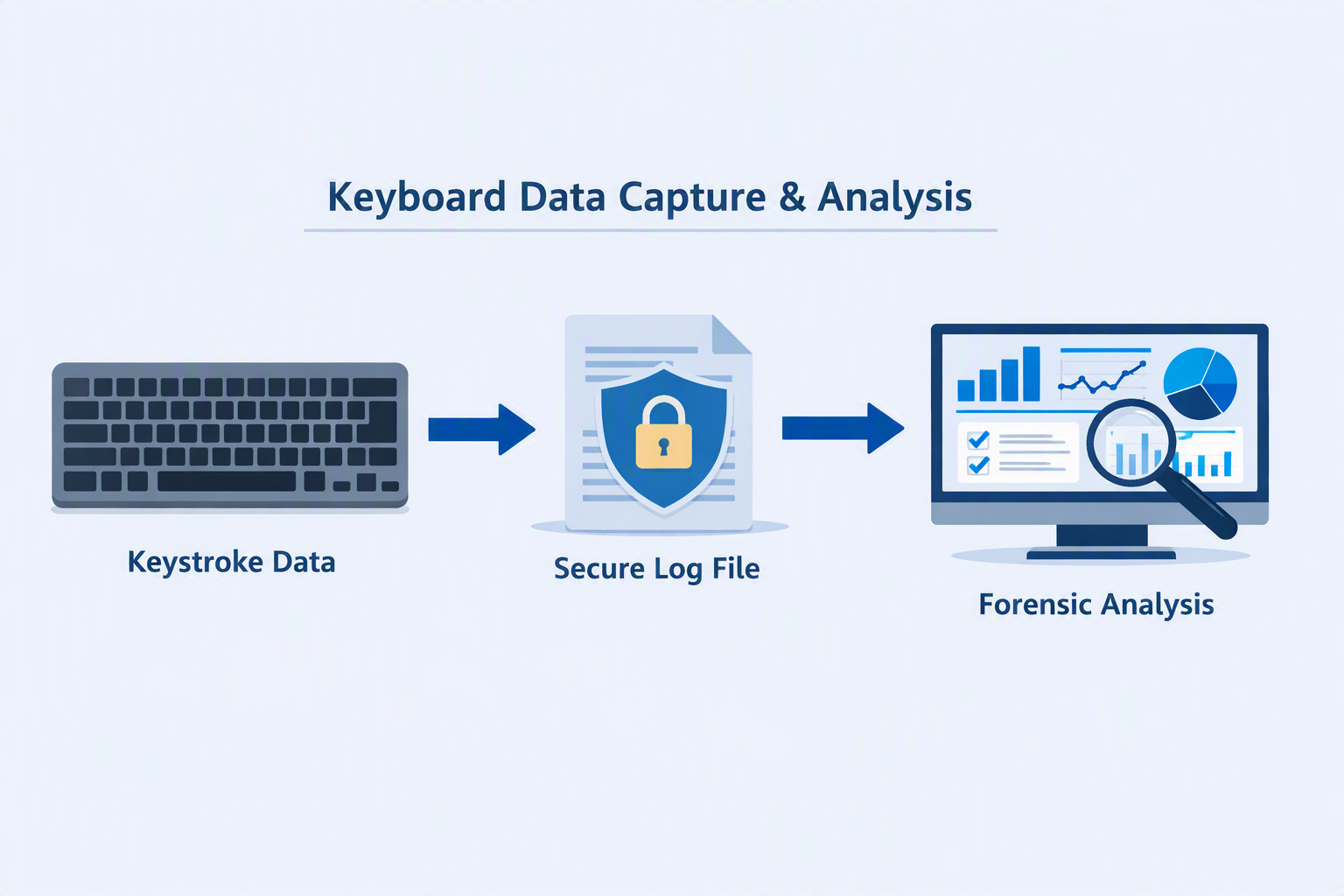
In these frustrating cases, the trail of evidence often lies in the most basic human-computer interaction: keystrokes. Keyboard logging for forensic analysis fills this critical gap.
A 2013 thesis on a tool called SNeAKeD highlighted that forensic investigators often struggle to trace criminals within network environments. The proposed solution was a system that could invisibly capture all keystrokes from a suspect’s machine. Keyboard Tracer was designed to fulfil this exact role.
How Keyboard Tracer Captures a Hidden Trail
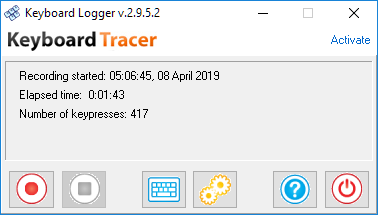
Keyboard Tracer is a dedicated telemetry-focused application. It is distinct from a simple keylogger. It keeps a detailed log of keyboard usage for both security and forensic evidence collection. This capability is especially powerful because of what it can recover.
Recovering Deleted Content and Unsent Intent
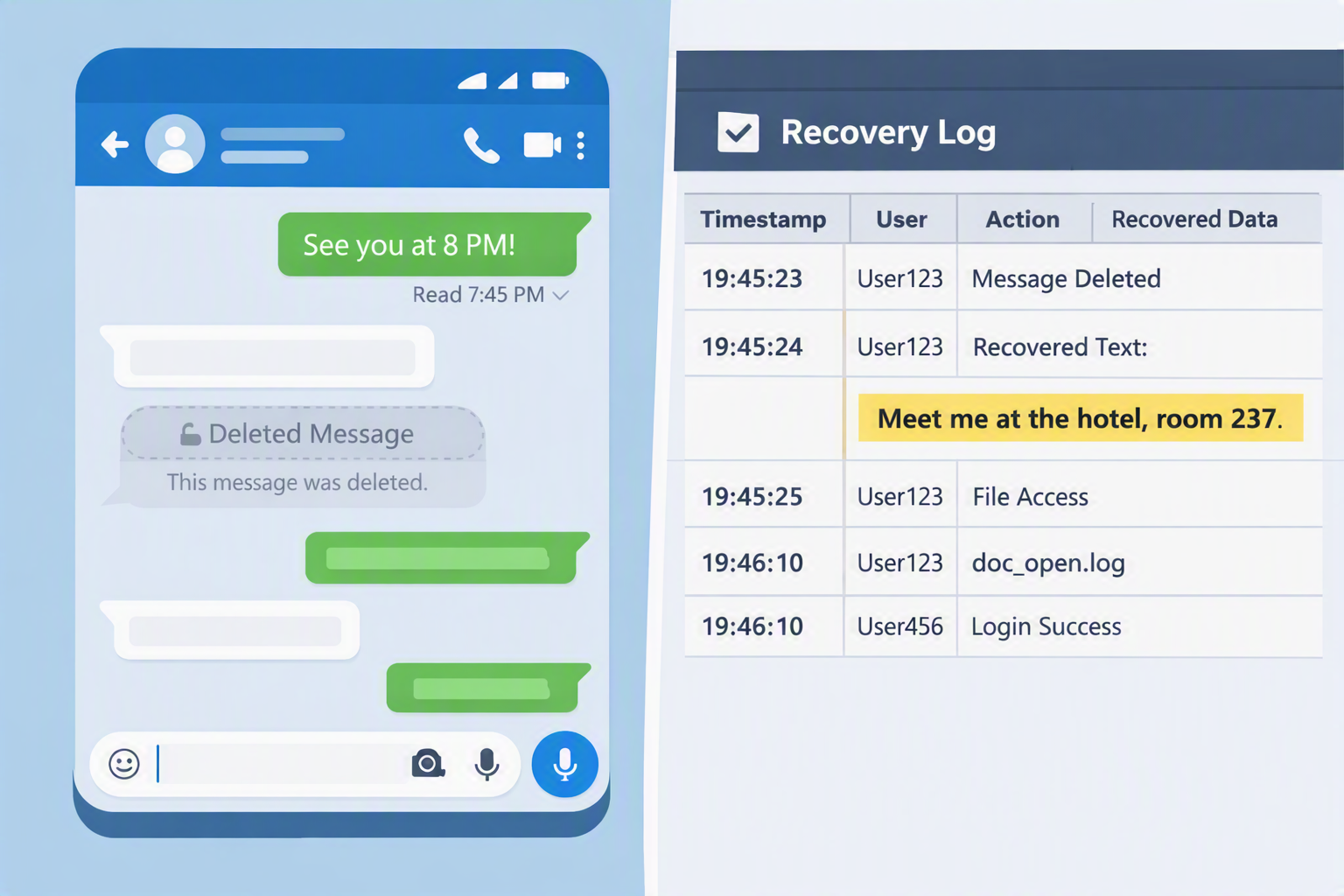
Keyboard Tracer helps identify typed text that was entered but never transmitted. This includes three crucial categories:
- Unsent messages: Drafts in messaging apps that the user wrote but never sent.
- Unsubmitted search queries: Terms entered into a search engine but deleted before a search ran.
- Incomplete terminal commands: An aborted command line entry can reveal a suspect’s intentions.
These “unsent” artifacts are a goldmine for an investigator. They offer a direct window into a suspect’s thoughts and plans that simple file deletion cannot hide.
Behavioral Analysis and Profiling
Beyond simple text recovery, keyboard tracing enables deep behavioral analysis. By examining typing patterns, investigators can reconstruct a user’s specific vocabulary, habits, and context.
Keyboard Tracer can detect anomalous behavior that points to suspicious activity. For example, a consistent, mechanical typing speed could indicate an automated process. It could also signal a “BadUSB” device injecting keystrokes. This contrasts with a human user who has variable typing dynamics.
A study on enhanced computer security used keyboard event monitoring to calculate typing speed metrics. It also measured the standard deviation of dwell time and flight times. This helped differentiate between normal user interactions and unauthorizd access.
Incident Response and Memory Forensics
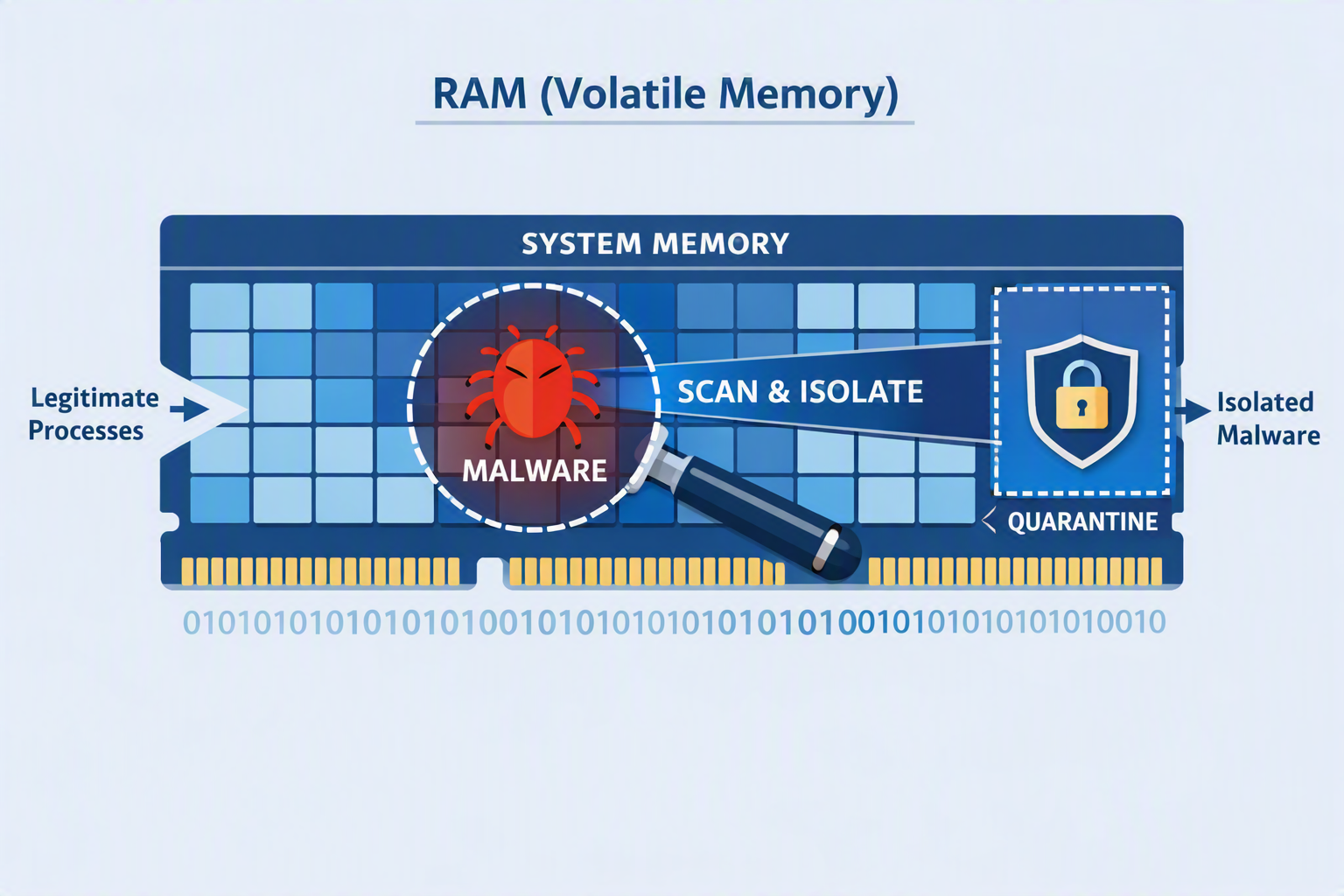
Advanced forensic frameworks like Volatility can detect these malicious hooks in memory. However, interpreting the data often requires labor-intensive manual reverse engineering.
Keyboard Tracer simplifies this process. It provides a clean, readable log of the suspect’s actions. This allows investigators to quickly understand the malware’s functionality and the attacker’s commands. They do not need to spend hours analyzing cryptic code. For an investigator, this saves time and provides a clear, presentable piece of evidence.
Practical Applications in Real-World Investigations
Keyboard Tracer provides demonstrable value in several key investigative scenarios.
1. Academic Integrity in Computer-Based Exams
For live exams in computer science, the tool helps ensure students cannot cheat. It prevents them from plugging in network adapters to search the web for answers. The logging creates a permanent record of system access and activity.
2. Analyzing Shared or Family Computers
When a household shares a computer, you can activate the program. It tracks commands executed by less experienced users. This is invaluable for reversing system-breaking changes. It also helps trace the source of a security breach back to a specific person or time.
3. Security Auditing and Insider Threat Detection
Keylogging is a standard feature in insider threat management platforms. By tracking keystrokes, administrators can set alerts for blacklisted commands in PowerShell or terminal. They can also detect sensitive keywords typed into web forms. This allows them to create detailed forensic reports of user activity. This protects a company from both internal and external threats.
4. Creating a Stronger Evidentiary Link
Sometimes, the digital evidence is there, but the challenge is linking it to a specific person. Digital forensics analyzes the data on the device. Biological trace evidence, like fingerprints on the keyboard, can support the digital trail.
The logs from Keyboard Tracer record what a person typed. Physical forensics shows who touched the keys. Together, they create a powerful and comprehensive evidential link. It connects the digital action to the physical person.
Conclusion
Keyboard Tracer is an indispensable tool for modern forensic investigations. Its ability to record, analyze, and log keyboard usage provides a crucial layer of evidence. This evidence is often overlooked or impossible to obtain through traditional means.
From recovering unsent texts and reconstructing user intent to detecting sophisticated malware, Keyboard Tracer helps turn deleted data into actionable intelligence.
For any professional involved in digital forensics, incident response, or security auditing, a robust keyboard tracing solution is now a necessity. Keyboard Tracer offers a dedicated telemetry-focused approach. It bridges the gap between a suspect’s actions and the irrefutable digital evidence needed in today’s complex investigative landscape.
* – images for this article are AI generated